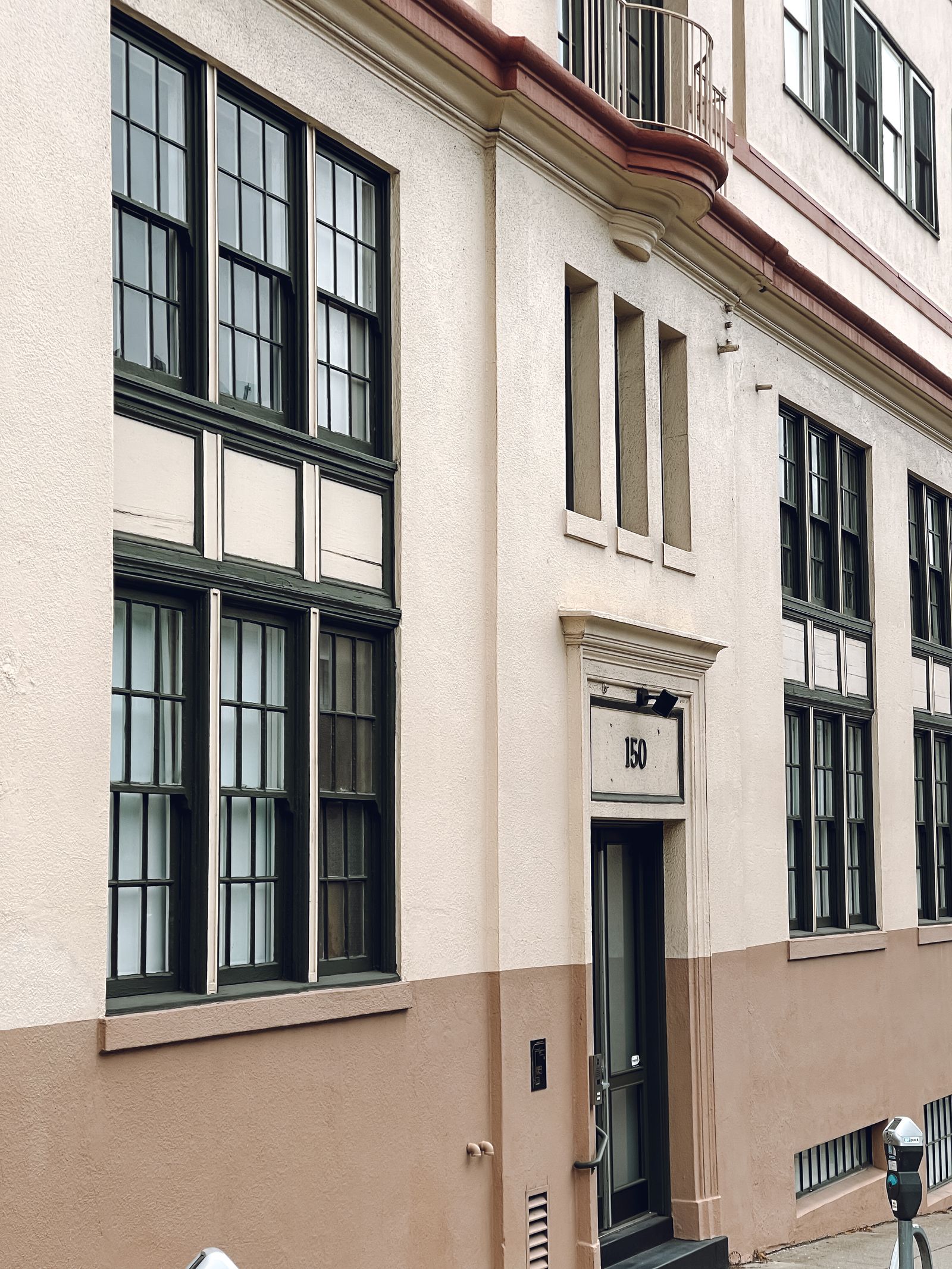
Begin with the facade materials and the result you need
Indianapolis commercial properties often combine brick, precast, concrete, glass, metal panels, painted trim, EIFS, stucco, sealants, and older repairs on the same elevation. A warehouse office near Plainfield may have broad insulated metal panels and loading-facing walls, while a Downtown building can place historic masonry beside replacement windows and modern storefronts. A hotel near the airport may have canopies, sign bands, upper glass, and passenger-facing entrances that need a different finish standard from its service side. We identify the materials and the visible problem before selecting chemistry, pressure, dwell time, rinse volume, or access.
Soft washing can be appropriate for compatible organic growth, light biological staining, and atmospheric film. It does not repair cracked masonry, failed sealants, loose coatings, active leaks, spalled concrete, corroded components, or moisture problems inside an exterior wall. Dark marks may be oxidation, tire or traffic residue, soot, algae, mildew, or a shadow from a damaged surface. A responsible quote explains the expected improvement and names conditions that need testing, contact cleaning, specialty restoration, or a building professional. A small test area is especially useful where coatings are aged, masonry is porous, or the property has a demanding appearance standard.
- Separate brick, concrete, precast, glass, metal, EIFS, stucco, and painted zones.
- Identify organic growth, traffic film, mineral deposits, oxidation, and pre-existing damage.
- Define whether the desired result is a maintenance rinse, visible facade reset, or detailed finish.
- Keep repairs, leak diagnosis, coating replacement, and restoration outside a routine wash scope.
Plan around Indianapolis property operations
The Mile Square, Monument Circle, Wholesale District, Mass Ave, and the convention corridor can place cleaning activity close to pedestrians, deliveries, events, rideshare traffic, and active business entrances. A property near Lucas Oil Stadium or Gainbridge Fieldhouse may have a narrow work window before an event changes sidewalk and vehicle movement. The North Meridian corridor, Broad Ripple, Castleton, and the I-69 or I-465 approaches bring different combinations of office arrivals, retail parking, medical traffic, landscaping, and high-speed road exposure. These are planning prompts, not assumptions about a specific address; the site team should confirm its own peaks and restrictions.
A workable sequence may keep one entrance dry while another elevation is cleaned, split a long frontage into smaller zones, move hose crossings away from accessible routes, or schedule work before a hotel breakfast period or after a retail close. Hospitals, laboratories, schools, and multi-tenant offices may need security, facilities, tenant, or infection-control coordination before a crew arrives. The proposal should identify the work zone, public controls, access points, emergency routes, and handback standard. A clean facade is only a successful project when the property can continue operating safely during the work.
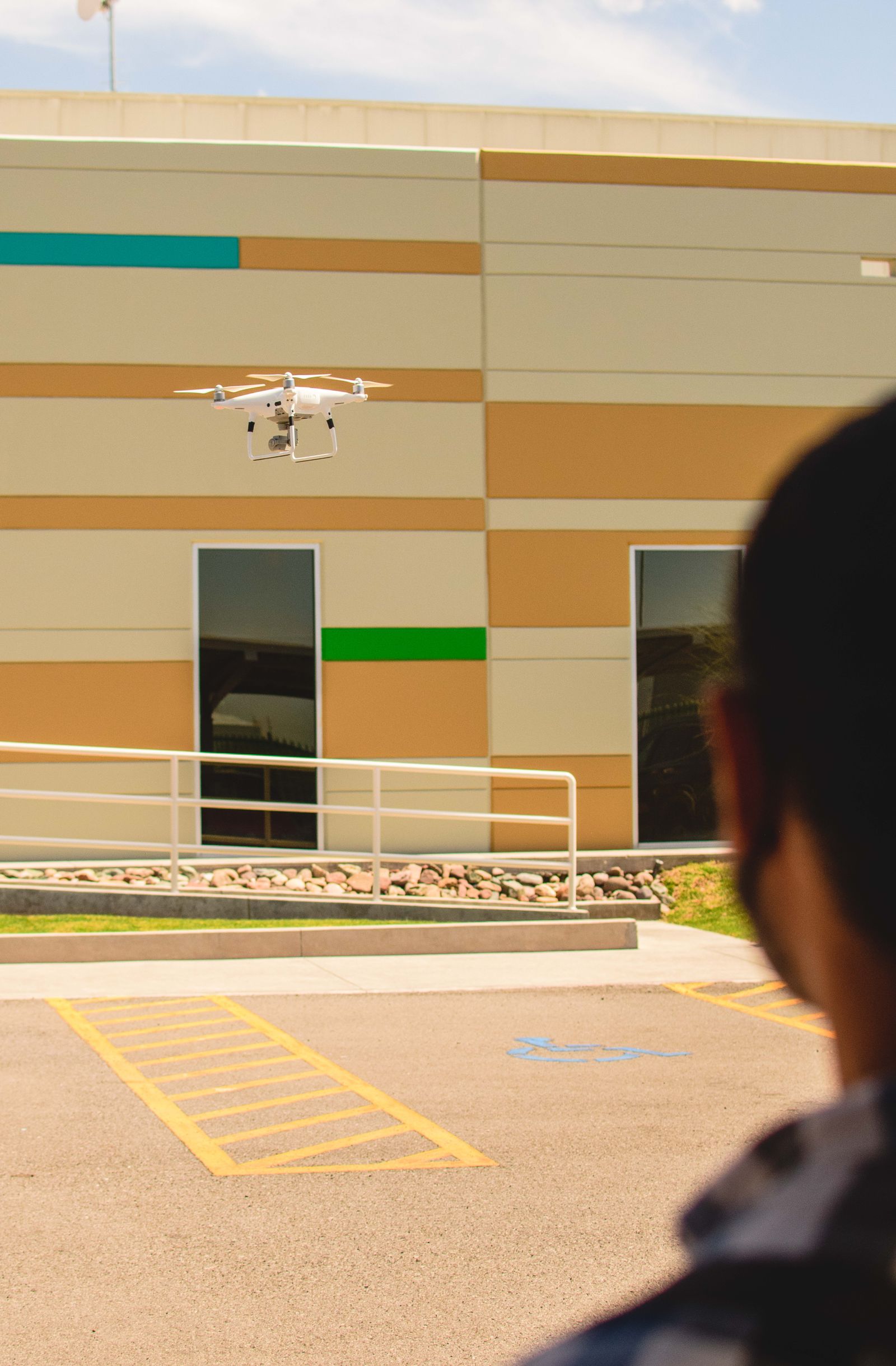
Use drone assistance only where the site supports it
Drone-assisted cleaning can reduce some lift placement or reach selected upper facade zones, but feasibility is decided at the address rather than by building height alone. The review includes building setbacks, wires, trees, rooftop equipment, balconies, neighboring structures, launch and recovery space, visual line of sight, wind at the working elevation, public movement, and the ability to keep water inside the planned area. Indianapolis International Airport, smaller airports, heliports, stadium operations, and temporary event restrictions can affect a proposed flight plan. A property manager's permission is important, but it does not replace aviation authorization or operating rules.
For commercial work, the operator must follow applicable Federal Aviation Administration requirements, including Part 107 rules and any airspace authorization that the location requires. Weather and ground conditions can also make a date unsuitable after a plan is approved. If the facade is too close to people, wires, neighboring property, or sensitive equipment, the appropriate recommendation may be a water-fed pole, lift, roof-access method, hand detail, hybrid scope, or postponement. We describe drone use as one tool within an access plan, not as a guarantee that every window, ledge, or architectural detail will be reachable from the air.
Account for heat, thunderstorms, freeze-thaw, and road soil
Central Indiana weather can change the cleaning sequence quickly. Summer heat and direct sun may shorten chemical dwell time and dry product unevenly. Humidity can keep shaded masonry damp, while thunderstorms create lightning, wind, runoff, and visibility concerns. Fall leaf debris can collect at rooflines and drainage points. Winter and early spring introduce freeze-thaw cycles, deicing residue, muddy shoulders, and the possibility that water on a walking surface will become a hazard. Road salt and vehicle film can make lower walls and parking-facing elevations soil differently from protected upper sections.
A date on the calendar is therefore a target, not permission to work through unsuitable conditions. The field plan should include checks for wind, lightning, precipitation, temperature, surface moisture, and the condition of walking and staging areas. Smaller elevations may be sequenced to keep dwell and rinse behavior predictable. If a storm changes the drainage path or the work area becomes unsafe, the crew should pause, secure equipment, reassess the site, and resume only when the plan still matches conditions. Seasonal recommendations should follow the actual facade and operating calendar rather than an automatic once-a-year promise.
Make water, landscaping, and storm drains part of the quote
Cleaning water can move through gutters, pavement slopes, loading areas, landscaped beds, curb lines, and storm inlets in ways that are not obvious from an upper elevation. Before work begins, the property team and contractor should identify the water source, hose route, sensitive doors and equipment, planted areas, public walks, low points, drains, and neighboring property. Chemistry and rinse volume should be chosen with that path in mind. Depending on the site and the work, controls may include diversion, collection, reduced rinse volume, protection, recovery, or another approved method.
Indianapolis properties can have parking lots, structured garages, bioswales, landscaped medians, and active loading areas immediately below the facade. The plan should state who confirms drainage requirements and what happens if observed flow differs from the initial assumption. We do not treat a visible catch basin as automatic permission to send wash water into it. At closeout, the crew should leave routes usable, remove temporary controls, document completed and deferred zones, and identify any staining or damage that remained outside the cleaning scope. That record gives facilities teams a starting point for future maintenance instead of forcing them to remember what happened months later.
- Locate drains, low points, landscaping, doors, intakes, vehicles, and sensitive equipment.
- Confirm water access, hose routing, pedestrian controls, and emergency access before setup.
- State the intended water-management approach and the stop condition if the path changes.
- Photograph completed areas and note remaining deposits, repairs, or contact-cleaning needs.
Request a quote tied to your priority elevations
A useful Indianapolis commercial soft-washing proposal should name the service zones, materials, visible soil, included features, proposed method, intended finish, exclusions, water assumptions, access approach, operating window, weather limits, and closeout documentation. It should distinguish a broad facade wash from high-detail glass cleaning, hard-water removal, construction residue, graffiti treatment, coating work, masonry repair, and envelope inspection. If drone-assisted application is expected to help, the proposal should also explain the conditions that must be present and the areas where direct access may remain necessary.
Send the property address, recent wide and close photographs, approximate height, priority elevations, known materials, current concerns, preferred dates, tenant or guest restrictions, and any information about water access or drainage. Include event dates, deliveries, outdoor seating, parking constraints, and prior cleaning or repair notes when available. We can then determine whether a site review, test area, or hybrid access plan is needed and prepare a quote for a one-time appearance improvement, phased priority cleaning, or recurring commercial exterior maintenance. The next step is simple: tell us what the building needs and where the result matters most.